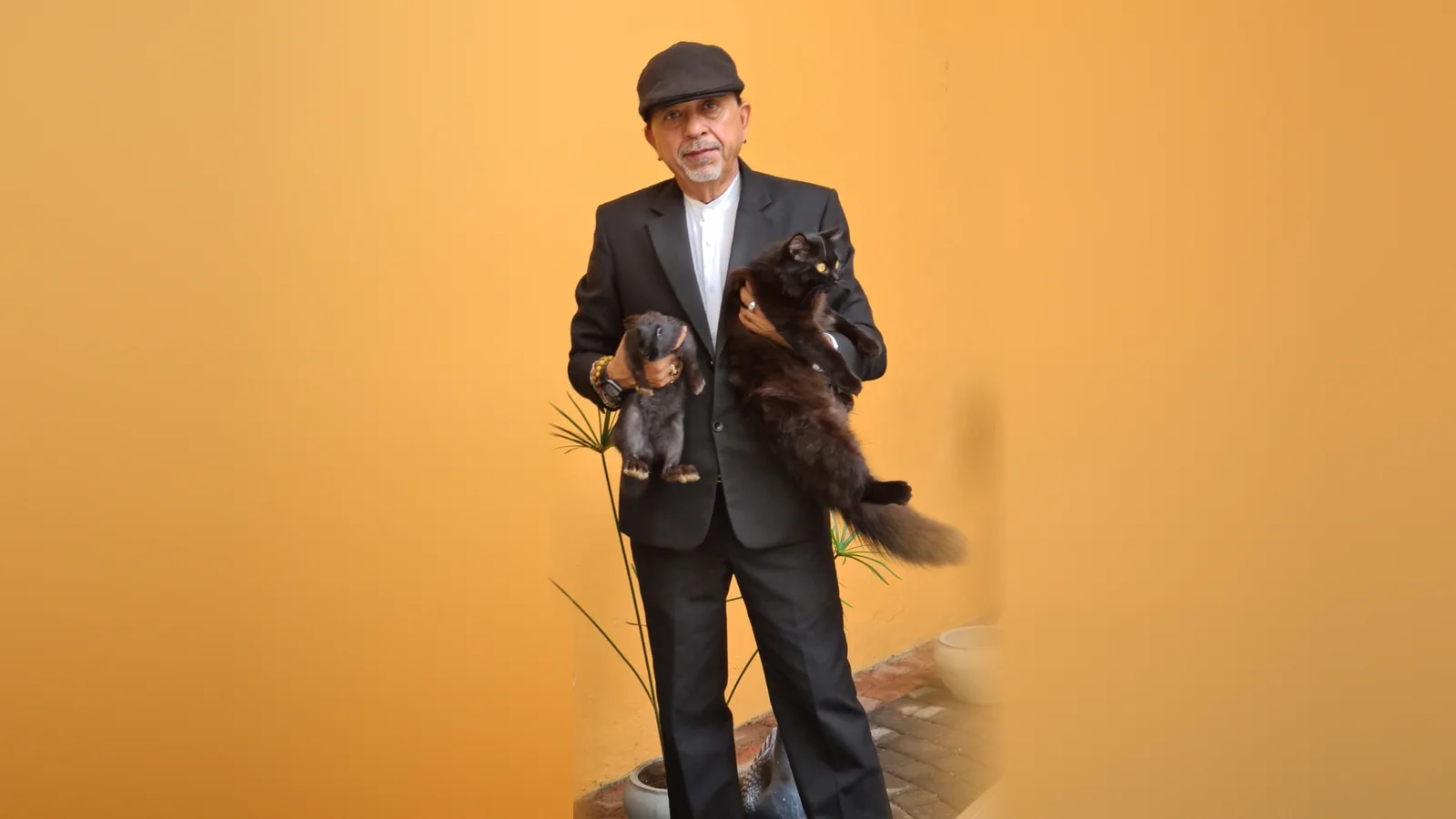
People
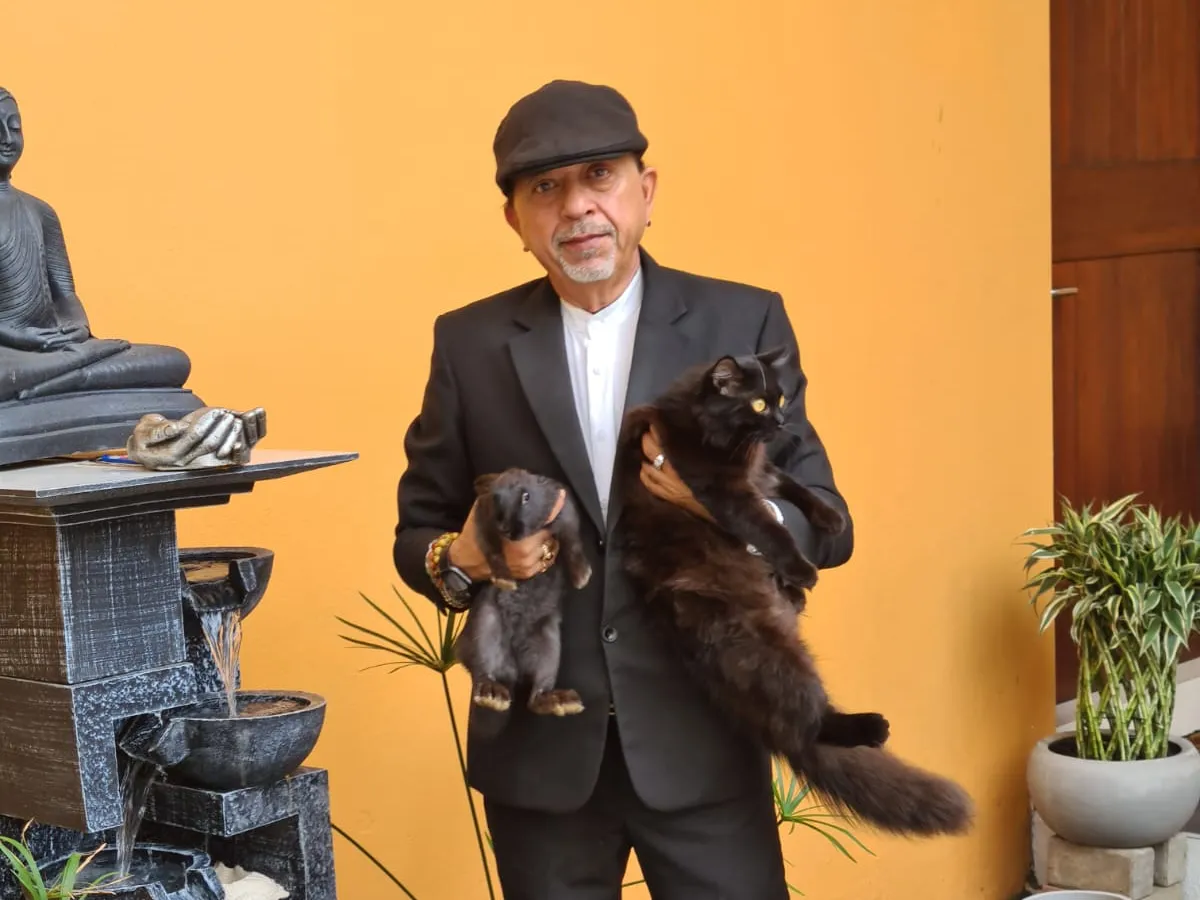
Jim Ramm and the long game
Words Nikkhil Mannocha
He came to poker through home games in the Caribbean and stayed to build the game across South Asia: on river boats in Goa, in a Colombo room with one table's worth of players, and through a casino licence carried all the way to a Ministry. The man behind Jim's Poker Room on trust, discipline and the night he never went home.
Nikkhil Mannocha Editor
/ 12 min read
In 2004 the World Poker Tour came to Aruba. Players flew in from everywhere. The tournaments ran like clockwork, and for one week a room full of strangers became a community.
Jim Ramm was there, a jewellery businessman who had been playing friendly home games in Aruba and St. Kitts and Nevis. He enjoyed the cards. But he kept watching something else. "I kept watching how the whole thing was organised," he says. "That was the beginning of the organiser in me."
Two decades later, the man born Ramesh Ramchand Budhrani has run poker rooms in Goa, Colombo, Kampala, Nairobi, Cambodia and Nepal. He founded the India Poker Ranking Tour and the Ceylon Gaming Association. Ask him what he has built and he gives you a short answer: "We were not competing for a market. We were building one."
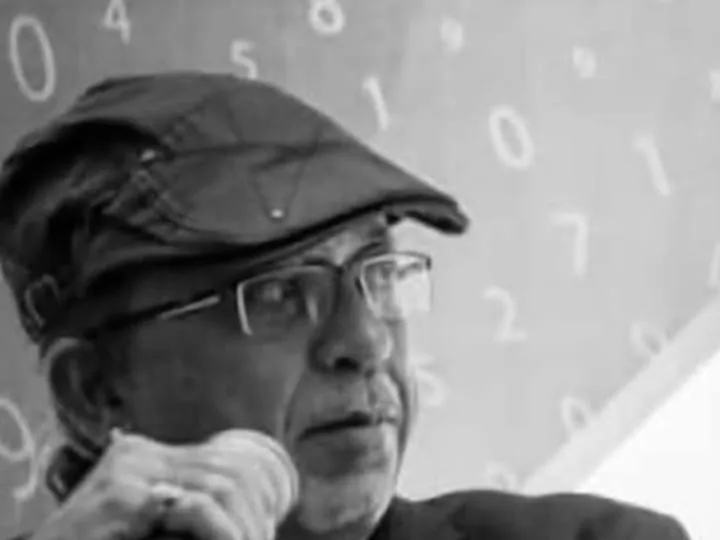
From player to organiser
The turn came in 2008. Back in India, Jim went to Goa to play. The state had licensed casinos, but almost no organised poker: "no schedules, no tournament structure, very few trained dealers."
India already loved card games, and he believed poker would grow. He started the India Poker Ranking Tour and began running games in Goa, including a poker room on the Casino Pride ship.
"The moment it became work," he says, "was the moment I was responsible for whether other people had a good game, not just me."
One table in Colombo
In 2010 he opened Jim's Poker Room at Bellagio in Colombo. "The local poker community could fit around only one table," he remembers.
So he built everything from the floor up. "We had to train dealers from scratch, teach floor rules, and convince players from India and abroad that a game would actually be running when they landed."
The night he never went home
Every veteran has a hard night. Jim's is not about a dispute or a power cut.
In 2010 he was running a week-long India Poker Ranking Tour event on the Casino Pride, a ship on the Mandovi River at Panjim. About 120 players had come from across India. An hour into the main event, his phone rang. It was the friend of a young player, a college student. His friends had found a note in his hostel room saying he planned to take his own life after the tournament. His parents were already travelling to Goa, and they asked Jim for one thing: keep him safe until they arrived, and don't let him know.
Jim put security on him at a distance and quietly kept him away from the open decks. Then the student was knocked out of the tournament almost at once, and wanted to go back to college. His parents would not arrive until morning.
So Jim kept him playing. He staked him in the cash games, "so not a rupee of his own was at risk." When the young man kept losing and kept asking to leave, Jim invented a format on the spot: back-to-back, six-handed, single-table freerolls, a kind of sit-and-go. He sponsored five other players to sit with him, and built the structure so each game ran for hours. "I did not go home that night," he says.
The next morning he took the student across on the feeder boat himself, to the Captain of Ports jetty in Panjim. His parents were waiting, with local police there for the handover.
"I will never forget his face when he saw them and understood," Jim says. The young man told him: "Mr Jim, you are the best human and the best actor I have ever met. You did all this for me, you never went home to sleep, and not once did I realise you knew about the letter I had left in my hostel room. You did all this to save my life."
"I have had nights with disputes, power cuts and angry players," Jim says. "None was harder than that one, and none mattered more. Running a room means you are responsible for the people at the table, not just the chips."
What the years taught him
Ask what he wishes he had known on day one, and Jim answers in one line: "A busy room and a healthy business are not the same thing."
"Enthusiasm opens a room," he says. "Discipline keeps it open."
He has trained dealers from scratch in more than one country, and he knows what he is looking for. "A great dealer is accurate first, then steady. The best ones make the game feel orderly without ever becoming the centre of attention." A great floor person "listens without being intimidated", applies the rule, and explains the decision to the table, "even when the loudest or richest player dislikes it."
"Skills can be taught," he says. "But fairness cannot be taught. You have to hire people who already have it."
The mistake he sees most in new rooms? "They build the look of a poker room before they understand how one runs. Beautiful tables cannot fix a game that does not start on time, a floor that rules differently each night, or a promotion the room cannot afford."
The trembling hands are gone
Jim has watched the game in South Asia change completely. At those first tour events in Goa, most players had never sat at a casino table. "I watched young players' hands tremble as they picked up their chips. The casino intimidated them."
Then a generation learned the game on their phones, until India banned online money games in 2025. That decade, he says, changed live poker for good. The menu is richer now: four- and five-card Pot-Limit Omaha, run it twice, bomb pots, straddles. Serious rooms follow the international Tournament Directors Association rules, "so a player from Mumbai or Las Vegas knows what to expect when he sits down in Colombo." And the players arrive having studied solvers, watched streams and played international tours. "They expect proper rules, fair rake, clean structures and fast service," he says. "That is good for poker, because it forces operators to earn their reputation instead of relying on novelty."
"Those trembling hands are gone," he says. "Today's young player sits down as if he owns the table."
Where next? "I expect live poker to matter more, not less." Serious Indian players, he believes, will look for well-run live games in licensed venues they can travel to, and Sri Lanka can be one of those places. "But it must be earned," he says, with trained staff, honest operations and strong anti-money-laundering standards. That is why he founded the Ceylon Gaming Association.
On technology, he is clear about where it belongs. "It helps when it removes friction. A player should not have to ask where he is on the waiting list, and settlements should not depend on someone's notebook." For years he designed his own systems for guest handling and agent settlements, "because nothing on the market fitted how rooms here actually work. That is changing. Proper room-management software is finally being built for poker, and StackBook is one of the most complete I have seen for running a professional room." But "technology belongs behind the room, not at the table. The conversation, the reads and the rivalries are the game. I want better systems and the same human table."
From a poker table to a casino licence
The moment he is proudest of started at a poker table too. The trust he built running poker on the Casino Pride ship in Goa is what brought the Majestic Pride Group to Sri Lanka. From 2023 he was their Authorised Representative and Chief Compliance Officer in Colombo, and he took Majestic Pride Casino Sri Lanka at the Lotus Tower from company registration to an operating casino.
He dealt with every corner of government along the way. In July 2024 the company received its Casino Business Licence, one of only six Sri Lanka had issued at the time. He stepped away in May 2026, with the casino open and running.
"The credit belongs to the investors who trusted the project, and to a very good team," he says. "But going from dealing cards in Goa to carrying a licence application through a Ministry is the distance I am proudest of."
The room today
"Jim's Poker Room is not an address," he says. "It is a standard that has moved with me." It started on the Goa river boats and at Strike Casino on land, and has played in Kampala, Nairobi, Poipet and Kathmandu. In Colombo it has moved from Bellagio to Casino Marina to the Lotus Tower. Today it plays at the Diamond Lounge, the VVIP room at Casino Marina, 30 Marine Drive.
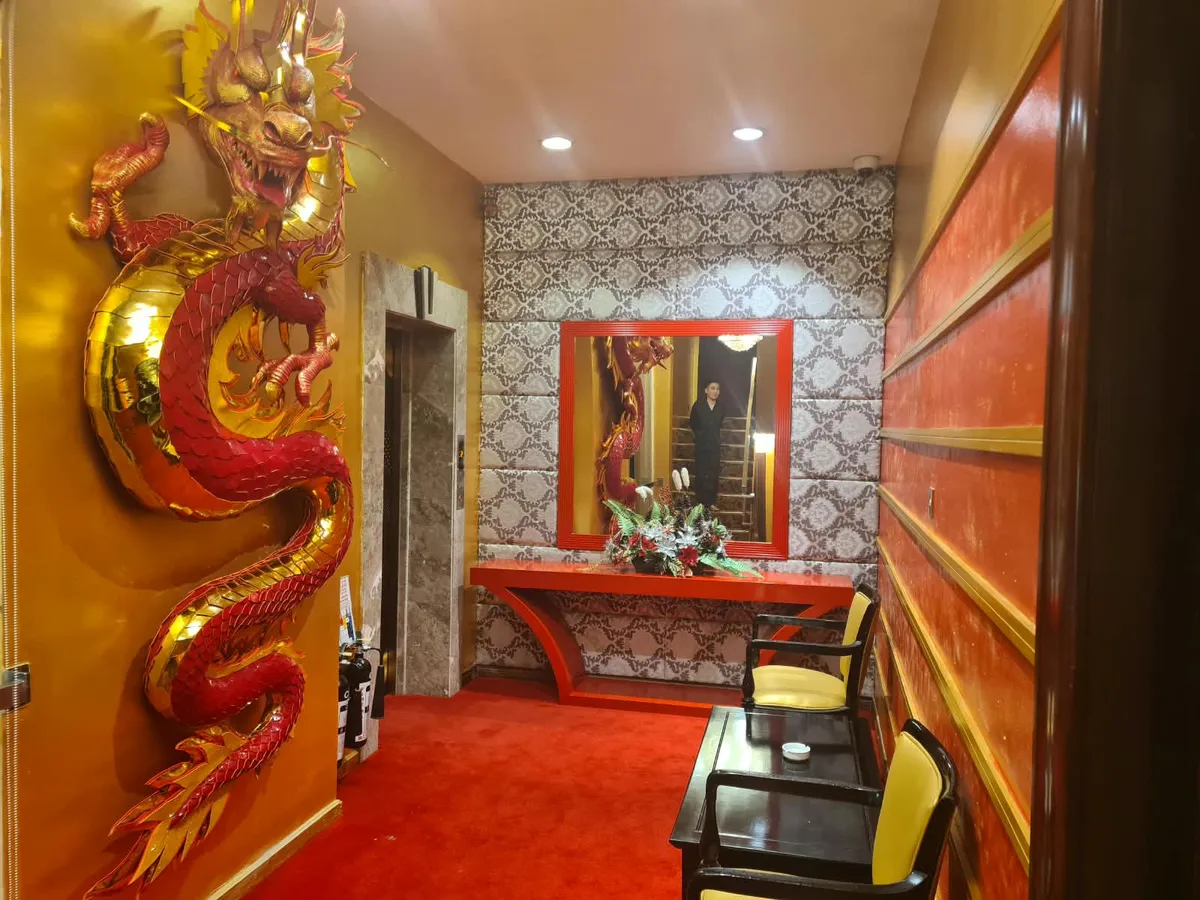

"The venue changes; the rules, the floor and the way we look after players do not."
Why Colombo? It is a short flight from every major Indian city, with licensed casinos, good hotels and a regulator. "For an Indian player it is the closest place to play a properly run live game abroad."
What he wanted this time was a room that was more dependable. "My early rooms ran on energy and goodwill. Today I want the player to know the game, the stakes and the arrangements before he books his flight, and to find exactly that when he lands." Now it runs on written systems: a numbered house rulebook, a floor and dealer manual, instant settlements, and a single point of contact for every visiting group. The one thing he would not compromise on: "Fairness at the table and honesty in the money. Same rules for every player, a floor decision that does not depend on who is asking, rake that is published, and settlements paid when promised. A room cannot value integrity only when it is convenient."
They call it the House of Friendly Service. "It is quiet, focused and comfortable. There are good chairs and good light, because serious players sit for long sessions. The sound is chips and low conversation, broken by the noise when a big pot turns over." You are greeted by name from your second visit. "It should feel like a private club, not a factory."
No-Limit Hold'em is the backbone and the house favourite, and four- and five-card Pot-Limit Omaha has a strong following among experienced players. For visiting Indian groups there are Teen Patti tables, and alongside the poker, guests can play Baccarat, Roulette, Blackjack, Andar Bahar, Niu Niu, Three Card Poker and Rummy. Bomb pots and an optional side game called the Squid add life. House rules are written for Sri Lanka's current gaming law and follow international tournament directors' standards: no devices during a hand, and English only while a hand is live.
A great night, he says, "starts hours before the first card": the team briefed, equipment counted, arrivals confirmed, "any problem solved before a player can see it." It ends with "nobody going home with a grievance, and the players already asking about next time."
The team
"Many of the best people I have worked with started as trainees at my tables," Jim says. Kamal, Kasun and Sampath lead the poker team. Ajith, Ashoka and Rodrigo run the other games. Ishan, Chaminda and Sadeesh handle marketing. Andrew looks after every guest's hotels, flights and airport transfers, and Isham, who does all the design, has been with him since 2015.
"A strong team should not need me in the room to solve every small problem. If it does, I have not trained it well enough."
For players flying in, the looking-after starts before the flight: help with visas, airport pick-up, transfers and hotels, and one named contact for the whole stay. "Then the small things: vegetarian and Jain meals, Indian tea at 3 a.m., a driver who knows the hotel, and someone who answers the phone. Players remember being looked after long after they forget the cards."
Your first trip to Colombo
Where: Diamond Lounge, Casino Marina, 30 Marine Drive, Colombo
Best time: December to April, for the weather. Diwali and the Christmas to New Year fortnight are the busiest weeks, so book early.
Games: No-Limit Hold'em, and four- and five-card Pot-Limit Omaha
Eat: vegetarian thalis, dal and rice and proper chai, Sri Lankan dishes for the curious, served late
Good to know: "Confirm the game before you book around it," Jim says. "I would rather plan a good trip with you than promise action to get you on a plane."
The people stay
Jim's favourite memories are not hands.
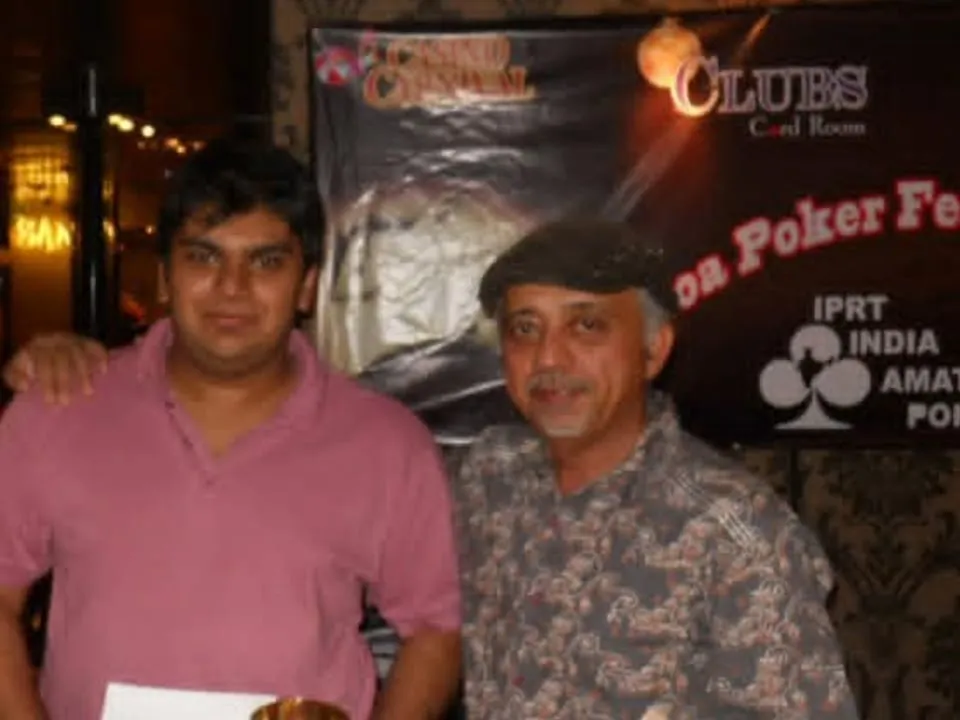
The first is the very first India Poker Ranking Tour event, in 2009, on the Casino Pride in Goa. Thirty-two players came from across the country. The casino was closed until 6 p.m., so entry at the jetty was set for then. By noon his phone was ringing: players had come by plane, train and overnight bus, and they were too excited to wait. Many were tired and hungry, so he broke protocol, brought them on board early, gave them lunch and found them somewhere to rest. "Some of those players still remind me of that day," he says. By the next year, the tour was drawing 120 players.
The second came years later in Colombo. A player from India had come especially to see him. Jim knew the face but couldn't place it. The man had played in his Goa room more than a decade earlier, as a college student, and had once borrowed ten thousand rupees from him. Now he was in Sri Lanka on a family holiday, and he had come to pay it back. Jim told him he had forgotten all about it and that he owed him nothing. The man insisted, paid him back, and handed him a box of chocolates. "I cannot forget those days," he said.
"That is the real reward of this business," Jim says. "Individual hands fade. The people stay."
What's next
In three years, he wants Sri Lanka known in India as the place to play well-run live poker, and every room there, his own included, held to a written standard. Through the Ceylon Gaming Association he is building it: training and certification for dealers, floor staff and compliance officers.
And his advice to anyone who wants to run a room? "Learn every job before you lead the people who do it: dealing, the floor, the cage, the books, and the compliance. And be careful with promises. Players forgive an honest problem. They never forget a promise you had no way to keep."
A great poker room is one where you trust the game, respect the people running it, and can't wait to come back.
If you or someone you know is struggling, please talk to someone you trust or contact a local helpline.
About Jim Ramm: Ramesh Ramchand Budhrani, known as Jim Ramm, is Founder Chairman of the Ceylon Gaming Association and founder of Jim's Poker Room. He founded the India Poker Ranking Tour in 2008, and from 2023 to 2026 led Majestic Pride Casino Sri Lanka at the Lotus Tower to its Casino Business Licence. He is a doctoral (DBA) candidate researching gaming compliance and regulatory economics.
Every Friday
The Friday mail
One email a week. The best new stories, the tournaments coming up, and the rooms worth the trip.
Keep reading
People
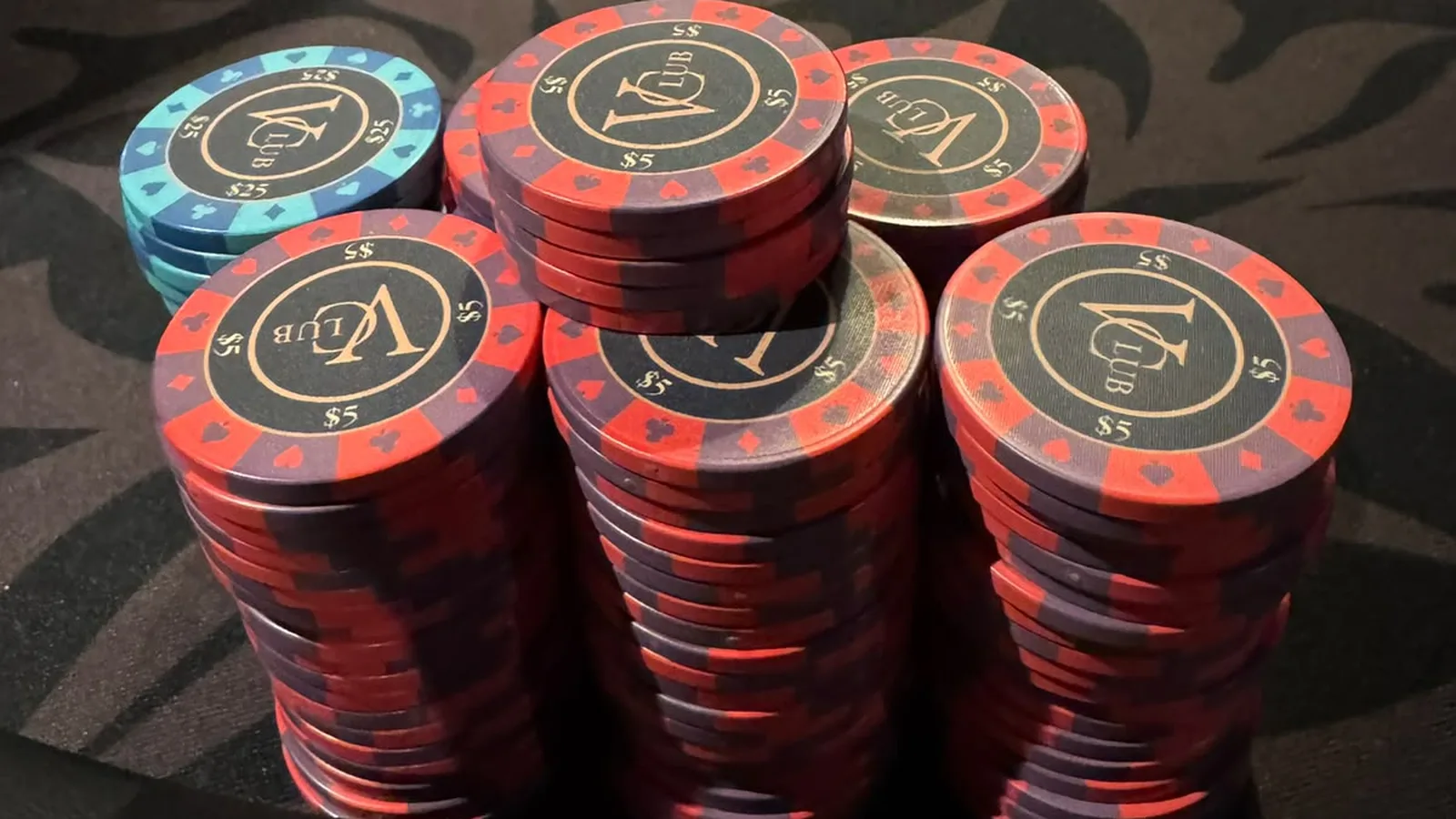
Ten years at the table in Toronto
He left home games with friends for a nine-table club in Toronto. In his own words: what surprised him, what he misses, and the one outer he still remembers.
Nikkhil Mannocha
People
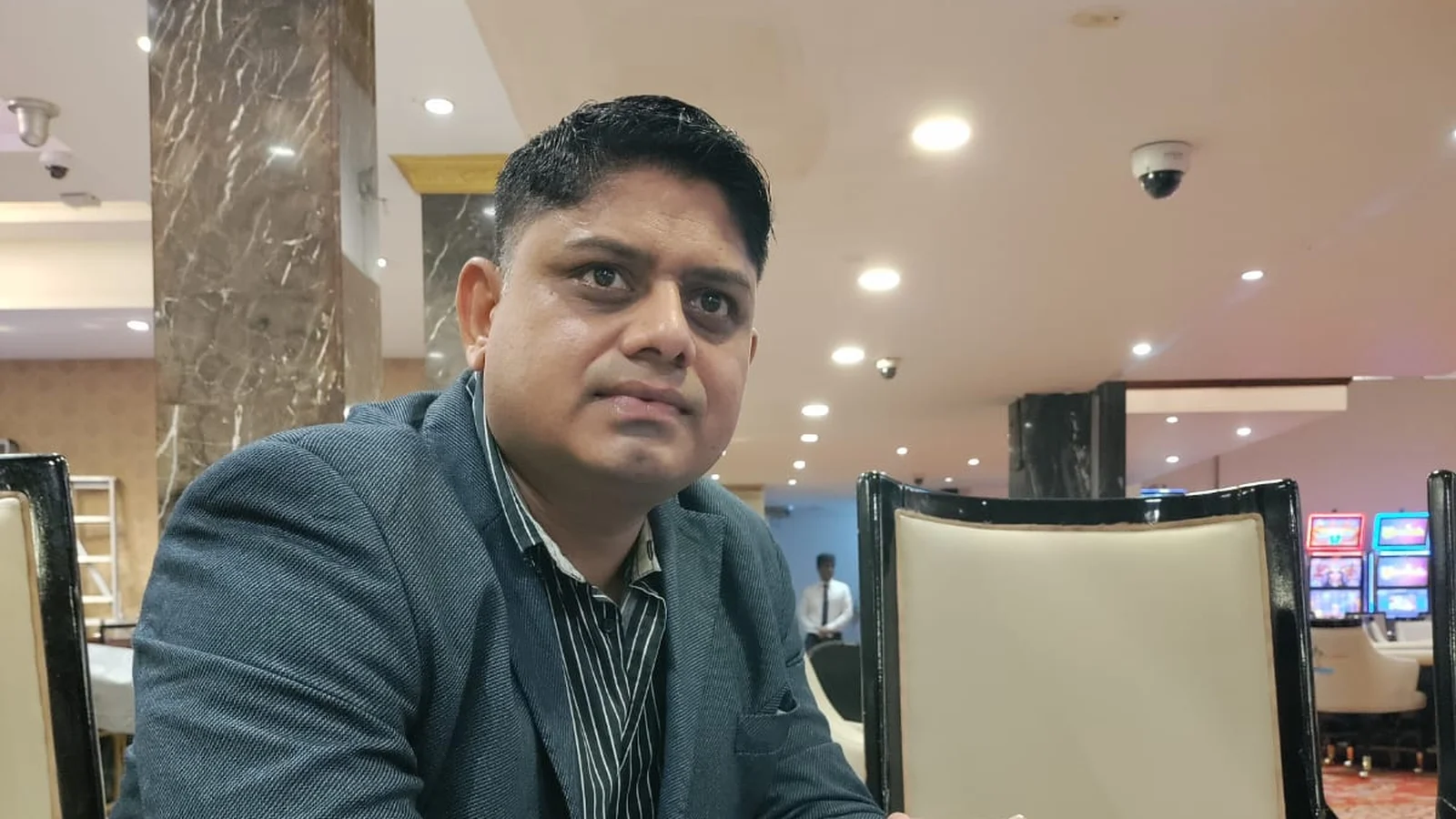
Joy Das: from a casino ship to the poker floor
He went to a ship for a steward's job and came out a dealer. Eighteen years later, the freelance floor manager talks about high-stakes games, family first and what makes a great floor.
Nikkhil Mannocha
People
The women who changed poker
From the first final tables to the rule books themselves. A short history of the women who changed the game, and the room around it.
Divya